
You are organising something that happens once. A festival, an awards night, a community day, a runway show. You get one chance at the photos, and the difference between a good photographer and a bad one does not show up until a fortnight later, when you are trying to build next year’s poster out of what you were sent.
Almost every bad outcome I have seen traces back to a conversation that never happened before the day. So here is what to have that conversation about.
Ask what they have actually shot
Not what they can shoot. What they have shot.
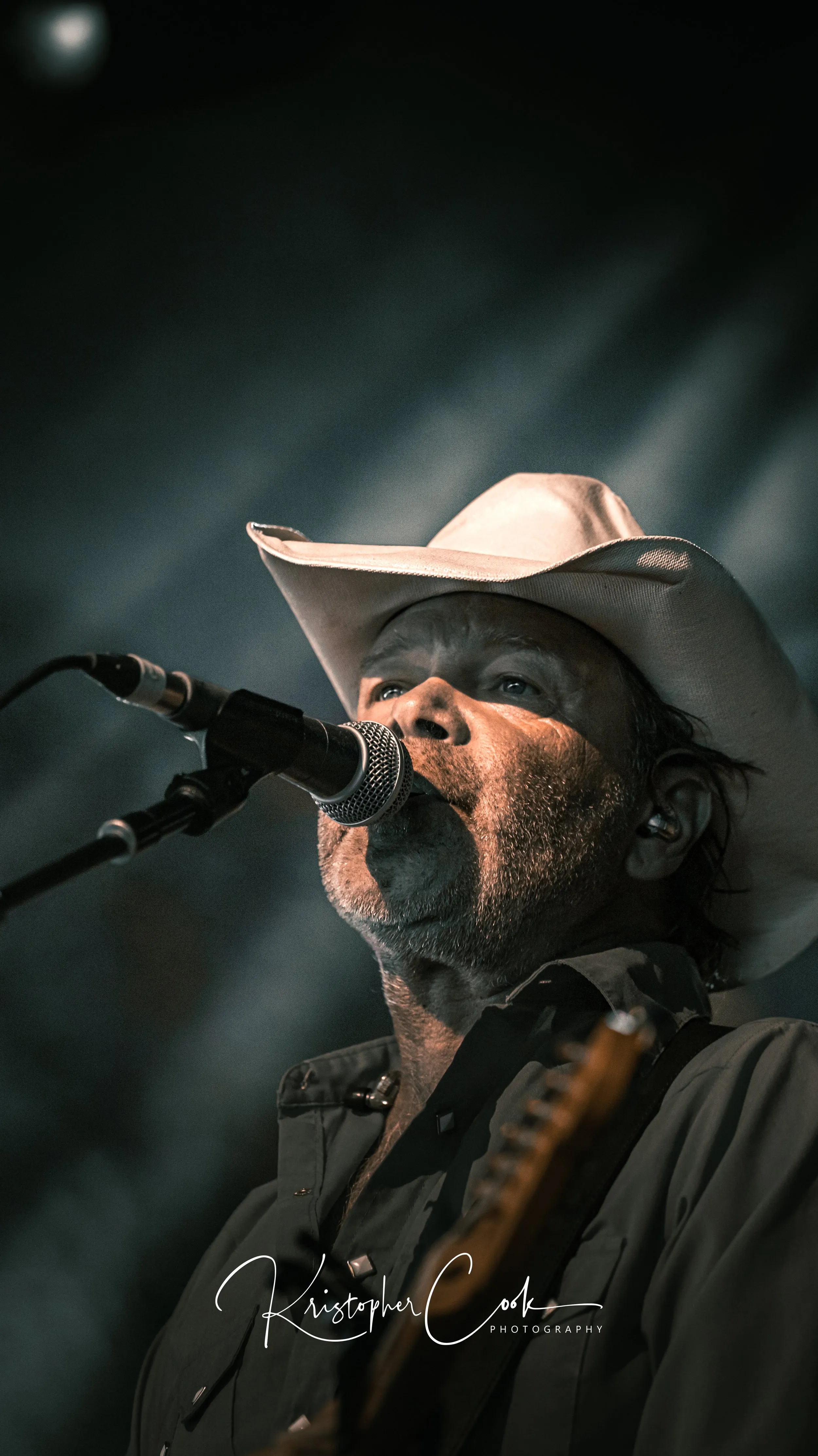
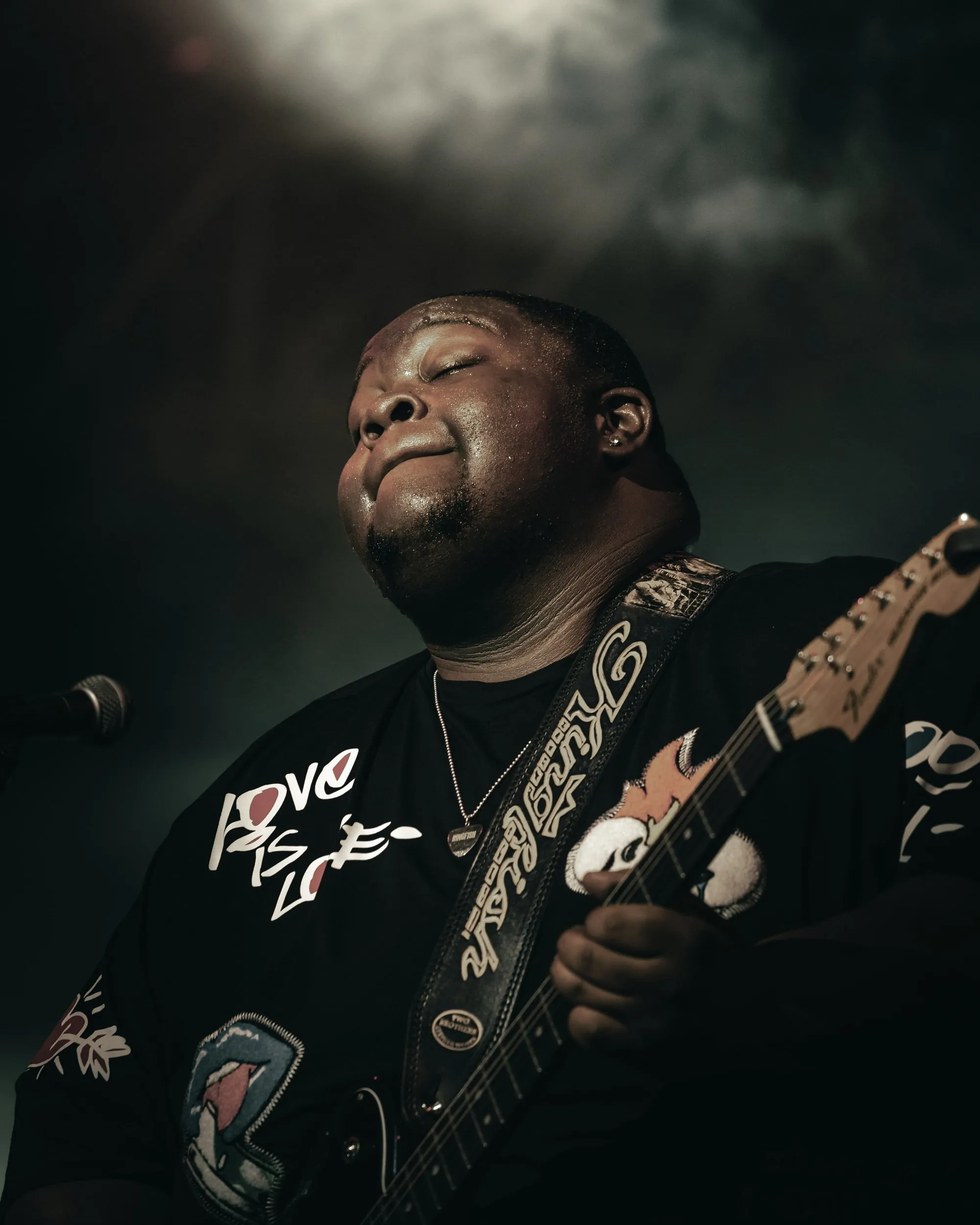
Any photographer can list “events” on a services page. Ask for the name of the event, the year, and a link to the pictures. A festival photographer who has worked a real multi-stage day knows things that cannot be learned from a wedding: where to stand when the light rig is behind the performer, how to work a pit with a three-song limit, what the crowd shot needs to look like for a sponsor report.
If the answer is a folder of pictures with no event names attached, that is your answer.
The same goes for the kind of event. Runway is not the same job as a music festival. On a runway you are covering a collection garment by garment, and missing one look means a designer’s piece does not exist. At a festival you are covering a day. Different skill, different rhythm, different gear.
Settle the usage rights before the day, not after
This is the one that bites, and it bites councils and community organisations hardest.
You need to know, in writing, before you book:
- Can you use the photos on social media?
- Can you use them in print, including next year’s marketing?
- Can you give them to your sponsors and to media?
- Can your performers and stallholders use their own photos?
- Does any of that cost extra later?
Plenty of photographers deliver a gallery that is fine for Instagram and quietly not licensed for the billboard, and you find out when the billboard is being designed. Ask for the usage in the quote. Every gallery Kris delivers comes back cleared for promo use at web and print resolution, which means you can post it, print it, and send it to the people who funded it, without another conversation.
Decide when the photos stop being useful
Photos from an event have a half-life. The thank-you post wants them in days. The grant acquittal wants them in weeks. Next year’s poster can wait.
So ask two questions: when does the full gallery land, and can anything come earlier if you need it for media. A photographer who says “a few weeks” and means it is better than one who says “next day” and disappears. Kris delivers an edited gallery within five to ten days of the last day, at web and print resolution.
What matters is that the answer is a number, and that it is in the quote.
One photographer, or a team
For a single-stage event, one photographer is usually right, and cheaper.
For anything that runs over more than a day, there is a real argument for keeping the same person across the whole run. Day three then looks like day one. Nobody has to re-brief a second shooter halfway through. The photographer already knows where the good light is at four o’clock and which security guard will let them behind the barrier. Multi-day coverage is its own thing, and it should be quoted as one job rather than as three separate days.
Where you genuinely need two people is a single event with two things happening at once: a main stage and a side stage, a ceremony and a simultaneous workshop. Say that up front so it is priced properly.
What a quote should actually contain
A quote worth accepting says:
- The hours or the days covered, and what happens if the event runs over.
- How many edited photos you get, or that the whole usable take is edited.
- When they arrive.
- The usage rights, in plain words.
- Travel, if there is any.
- Anything extra, like drone, and whether it is in the number or on top.
If it is one line and a dollar figure, ask for the rest. It is not rudeness, it is the thing that stops the argument later.
Write a short brief, not a long one
The best briefs are one page:
- What the event is, and the one sentence you would use to describe why it matters.
- The run sheet, even a rough one.
- Five to ten shots you must have. Be specific: the Elder who is opening, the mayor, the sponsor banner, the moment the winner is announced.
- Who to avoid photographing, if anyone.
- Who the photographer reports to on the day, with a mobile number that will be answered.
That last one is worth more than everything else combined. On a busy site, a photographer who cannot find the one person who knows what is happening next will miss things.
If it is a cultural event, ask about permission first
For NAIDOC ceremonies, community days and cultural events, the questions change. Who decides what can be photographed. What stays off camera. Who holds the images afterwards, and who has to approve them before they go anywhere.
The right answer from a photographer is that they take direction from the organisers, the families and the Elders in the room, and that nothing goes out ahead of that. If the photographer has not thought about it before you ask, that tells you something. Community and cultural events are their own kind of work, and being in the room is not the same as belonging in it.
The short version
Ask for named events, not adjectives. Get the usage in writing. Get a date for delivery. Quote the whole event, not the hours. Write a one-page brief. Ask about permission before you ask about price.
Do those six things and you will get photographs you can still use in two years, which is the entire point.
If you are running something in the Northern Rivers, tell Kris the date and the place and he will come back with a number, usually within a day. He has photographed festivals, runway shows and community events since 2018, from Byron Bay to Lismore and up into the Tweed.